



As fireworks light up the sky this Fourth of July, communities across the country are celebrating 250 years since the signing of the Declaration of Independence.
However, while the Founding Fathers were establishing a new nation on the East Coast in 1776, California had a different story.
Santa Margarita Ranch offers a look at the history of the area before statehood.
Tucked beneath a 1906 barn sits the Santa Margarita Asistencia, a mission-era stone building dating back to the ranch's earliest years in the 1770s. While America was being established, this structure was being bulit as an asistencia, or "assistance mission." Located between Mission San Luis Obispo and Mission San Miguel, the structure served as a chapel, granary and living quarters for priests.
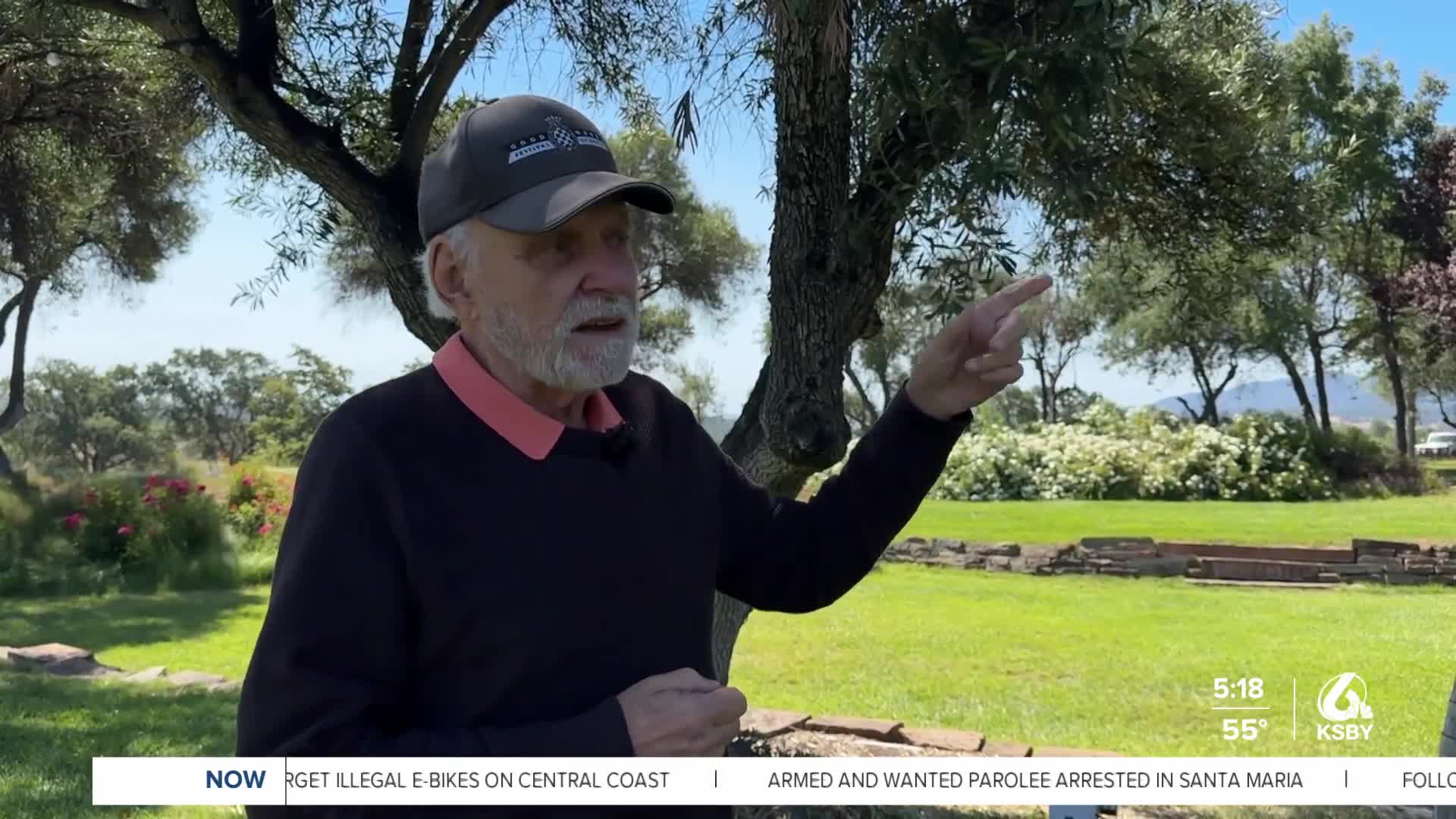
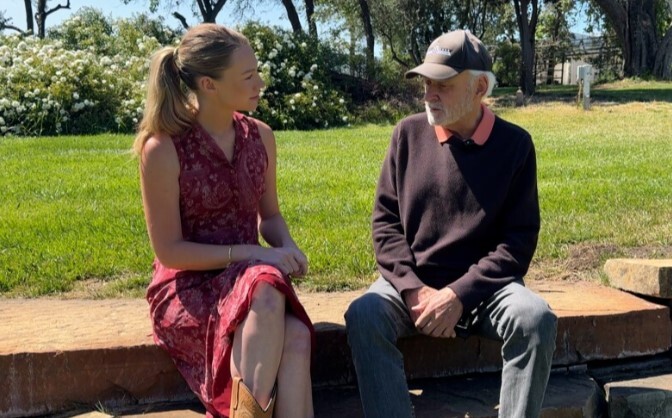
"When America was becoming America on the East Coast, this was still part of Spain," said ranch owner Rob Rossi, who spoke with Senior Reporter Shannon MacNeil about the ranch's history.
Long before the United States existed, the Santa Margarita Valley was home to Native American communities for more than 10,000 years. In the late 1700s, Franciscan missionaries arrived, raising cattle, planting vineyards, and establishing the mission outpost that would become the foundation of today's ranch.
Over the next two centuries, the property reflected California's changing history. It evolved from Spanish mission land into a Mexican rancho before becoming part of the United States following the Mexican-American War.
According to Rossi, U.S. forces led by General John C. Frémont passed through the ranch during California's transition from Mexican to American control. Later ranch owners, including the Murphy family, helped shape the early civic history of San Luis Obispo County.
Also, Joaquín Estrada served on San Luis Obispo County's first Board of Supervisors after California became a state.
Today, the 14,000-acre ranch continues to preserve reminders of those earlier eras.
An olive tree near the front of the property is believed to date back roughly 250 years and is said to have been brought by Father Junípero Serra in memory of his mother. The Asistencia itself remains one of the few original Spanish-era structures still standing on the Central Coast, protected beneath the barn that has helped preserve it for generations.
“It continues to be a place that hosts a lot of events,” explained Rossi, “and we expect it will be its future forever.”
Unlike many historic mission buildings that have been reconstructed, the Asistencia remains an original structure, offering visitors a rare connection to California's earliest colonial history.
The ranch has continued to evolve alongside the community around it. Once the center of a thriving cattle operation, it now hosts weddings, train rides, seasonal events, and community gatherings while remaining a working cattle ranch and vineyard.
Just beyond its gates, the town of Santa Margarita has retained much of its historic character. This quaint town is home to hard working small businesses owners, families and friends.
The sense of community that has defined Santa Margarita for generations is something local business owner Holli Rae experiences every day. The owner of The Giddy Up Hut said the town is filled with "super welcoming, lovely people that support each other," adding that residents came together during last year's wildfires to help one another through a difficult time.
George Sullivan, owner of Granada Farms and a member of the Santa Margarita Advisory Council, said Santa Margarita has maintained the same close-knit spirit that has defined the town for generations. ”It's a small town, and people are accountable to each other, which I think is great," Sullivan said. He also believes the ranch continues to play an important role in the community. "The town is very fortunate to have the ranch as a neighbor."
That relationship between the ranch and the town reflects a history that has continued for generations.
As America celebrates its 250th birthday, Santa Margarita Ranch offers a different perspective on the nation's story, one that begins before the Declaration of Independence and continues today.
Here, Native American heritage, the Spanish mission era, Mexican rule and the birth of the United States all intersect in one place, reminding visitors that California's history didn't begin with statehood, but centuries before.
