

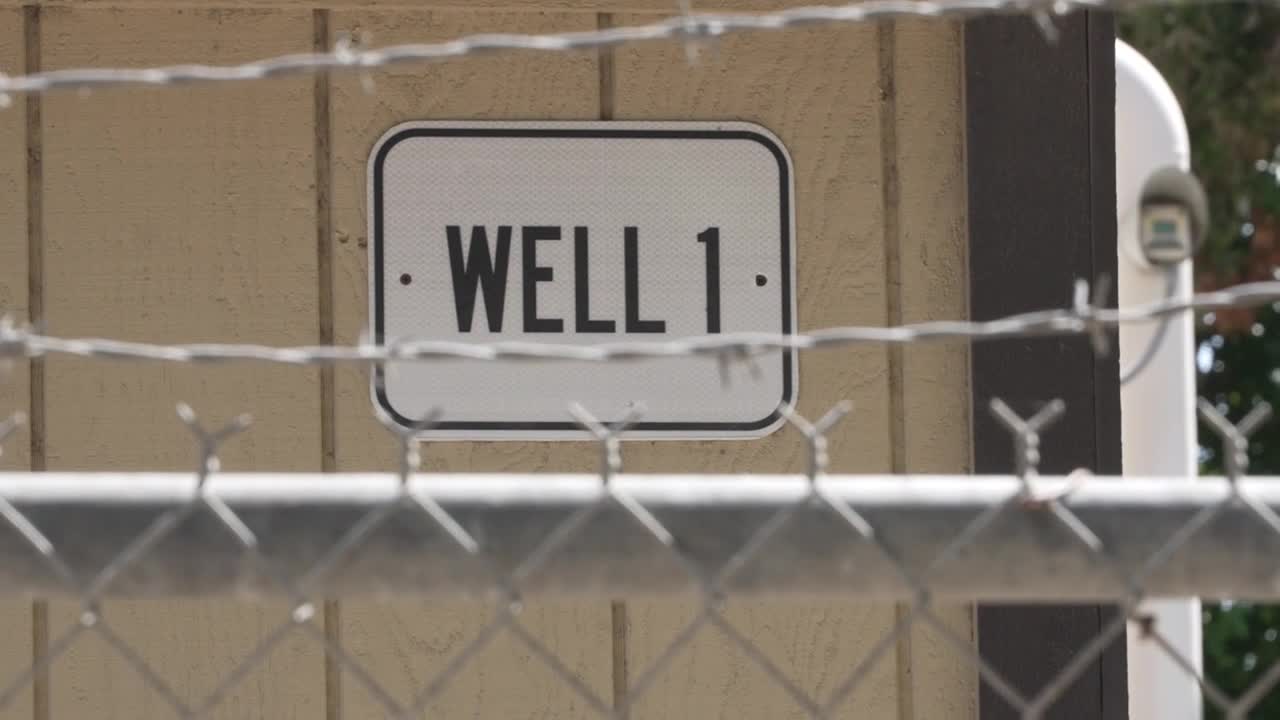



The water supply in Grover Beach is one of the biggest issues community members worry about, and the first results from a water supply study show a potential supply gap in the near future.
Grover Beach has released the first draft of a long-term water supply study. The report examines how the City plans to meet water demands over a 30-year planning horizon as the community continues to grow.
“If a drought occurs, we should be ready for it," said Grover Beach Public Works Director Jeff Lee. "If the vulnerabilities from either the legal challenges or the environmental challenges materialize, then we need to be ready for that water supply.”
Grover Beach currently depends on the Santa Maria Valley River groundwater basin and Lopez Lake for water. Both sources are heavily influenced by rainfall, and supply water to other cities on the Central Coast.
Alice Rodriguez said that in the 40 years she’s lived in Grover Beach, she’s seen the supply change drastically.
“We had a severe drought here, and we were all amazed when the lake refilled," Rodriguez said. "That's what people are counting on. They don't realize that we have 100,000 more people in the area.”
Lee said within the first three to five years of the 30-year timeline, there’s a potential shortfall he says is manageable.

“I wouldn't say we should be worrying about it, but it's something to be aware of," Lee said. "The best way to put it is we have water. When you turn on your tap, you're still going to get water. Based upon the demands of the system, the vulnerabilities of the system is that's when the city is looking at what we should be doing for the long term.”
Rodriguez said she's fairly alarmed over the issue.
“We need water, and nobody seems to want to pay any attention to it besides the City," she said. "Three to five years... I wonder what they're going to do.”
After reviewing the draft study, City leaders asked consultants to take a closer look at three additional options for increasing the city’s water supply and meeting future demand.
The leading options include indirect potable reuse of recycled water, buying water locally or regionally, or purchasing from the state water project. Consultants are expected to recommend one of those options once the final report is complete.
The final draft is expected to be done around the end of 2026 or the beginning of 2027.
