



Military members, veterans and their families lost more than $684 million to scams in 2025, according to the Federal Trade Commission, prompting renewed efforts to help consumers recognize fraud before it happens.
The FTC says impostor scams accounted for a large share of those losses, with scammers often pretending to represent trusted organizations, banks or veterans programs.
"They know how to target the military community," said FTC Division of Consumer and Business Education, Terri Miller. "They may use familiar business names or military-related terms to gain people's trust."
One common scam involves callers claiming to be from financial institutions such as Navy Federal Credit Union or USAA. The caller may say they detected suspicious activity on an account and instruct the victim to move their money to a "safe" account.
The FTC says that's a major red flag.
"If you get a phone call from someone who says they're from your bank, hang up and call the bank directly using a number you know is real," Miller said. "Don't trust your caller ID because scammers can spoof those phone numbers."
The agency is also warning veterans about fraudulent companies known as "claim sharks" that promise to help secure VA benefits for a fee.
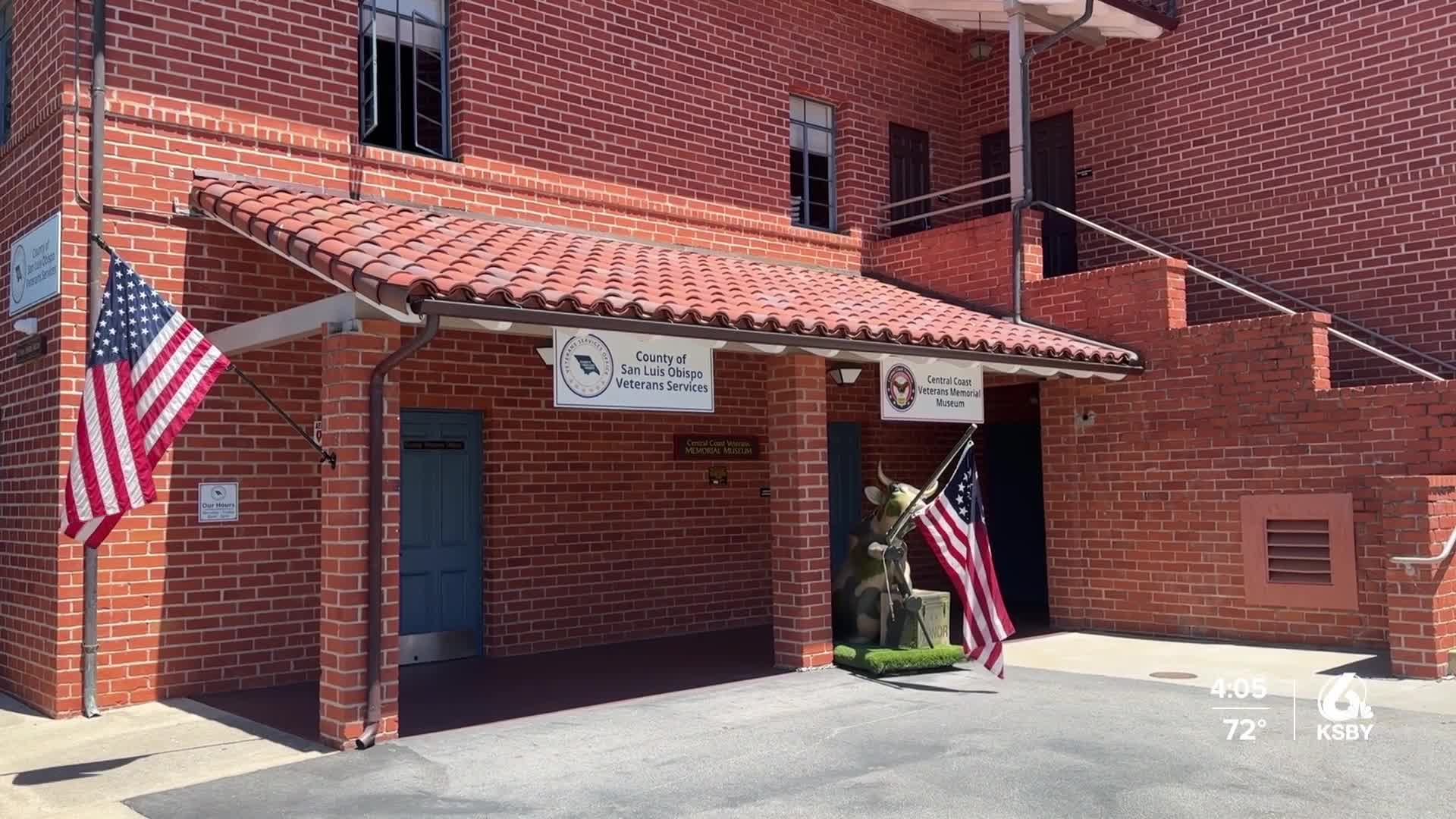
San Luis Obispo County Veterans Services Officer Morgan Boyd said his office regularly sees veterans targeted by these scams.
According to Boyd, claim sharks often charge veterans between $15,000 and $30,000 for assistance filing VA claims, services that accredited county veterans service offices provide free of charge.
Boyd said the financial impact is only part of the problem because many claim sharks are not accredited by the U.S. Department of Veterans Affairs, and veterans may end up with improperly filed claims that can result in reduced benefits.
"We've seen many veterans that have been negatively impacted, especially due to reductions in service or having to pay those large fees," Boyd said.
The FTC says scammers often make their pitches sound legitimate by using official-sounding names or mentioning real VA programs.
However, the agency stresses that the VA will never charge an upfront fee to apply for benefits, and no one can guarantee additional VA benefits or claim they can move someone to the front of the line.
If veterans need help filing a claim, the FTC recommends starting directly with the VA or working with an accredited veterans service organization.
California is also taking action. Earlier this year, Gov. Gavin Newsom signed Senate Bill 694, legislation designed to crack down on claim sharks. The law takes effect Jan. 1, 2027, and will give veterans additional legal protections if they believe they've been targeted by fraudulent claims companies.
Boyd encourages veterans to contact the San Luis Obispo County Veterans Services Office if they have questions about a suspicious offer.
"If anybody has concerns about any kind of scams, even outside of VA claims, we'd be more than happy to take a look at it," Boyd said. "If we need to escalate it through the proper channels, we'll do that."
For anyone who has already fallen victim to a scam, the FTC says acting quickly can make a difference. Consumers should immediately contact their bank or credit card company if financial information was shared, and visit IdentityTheft.gov for a personalized recovery plan if personal information was compromised.
The FTC also encourages anyone who spots a scam to report it at ReportFraud.ftc.gov.
Finally, Miller says victims shouldn't be afraid to talk about what happened.
"One of the best ways to protect your community is to share your story," she said. "It takes courage to speak up, but sharing your experience can help someone else recognize the scam before they become the next victim."
