



A shortage of primary care physicians has been an issue facing San Luis Obispo County for decades and healthcare professionals say the problem is getting worse.
"Access to care has been an increasingly alarming issue on the Central Coast. They just can't get into a doctor when they need it," said Dr. Rene Bravo.
Dr. Bravo worked as a pediatrician in San Luis Obispo County for 40 years and now serves as the California Medical Association President.
A 2023 SLO Health Counts survey found that 40% of people questioned delayed care in the last year.
About 30% said it was because they couldn’t get an appointment; nearly 20% could not find a provider who took new patients; and a little over 10% were worried about the cost.
"I couldn't figure out what to do, what not, so I went to this urgent care, and they also did nothing," said Jolly Shippy, San Luis Obispo Resident.
Sometimes, when people can't get primary care, they turn to 911.
Paso Robles Fire Chief Jonathan Stornetta says nearly 70% of their calls are for medical emergencies.
"In 2024, there was over 270 times we had no resources available," Chief Stornetta said.
He says he had to hire more people to meet the growing need.
"We've implemented, as of last November, a two-person paramedic squad that helps fill that gap for those emergency calls," he added.
The data Chief Stornetta shared shows that the number of emergency medical calls has increased every year, growing 50% over the last five years.
Stornetta attributes the jump to chronic medical conditions that go untreated.
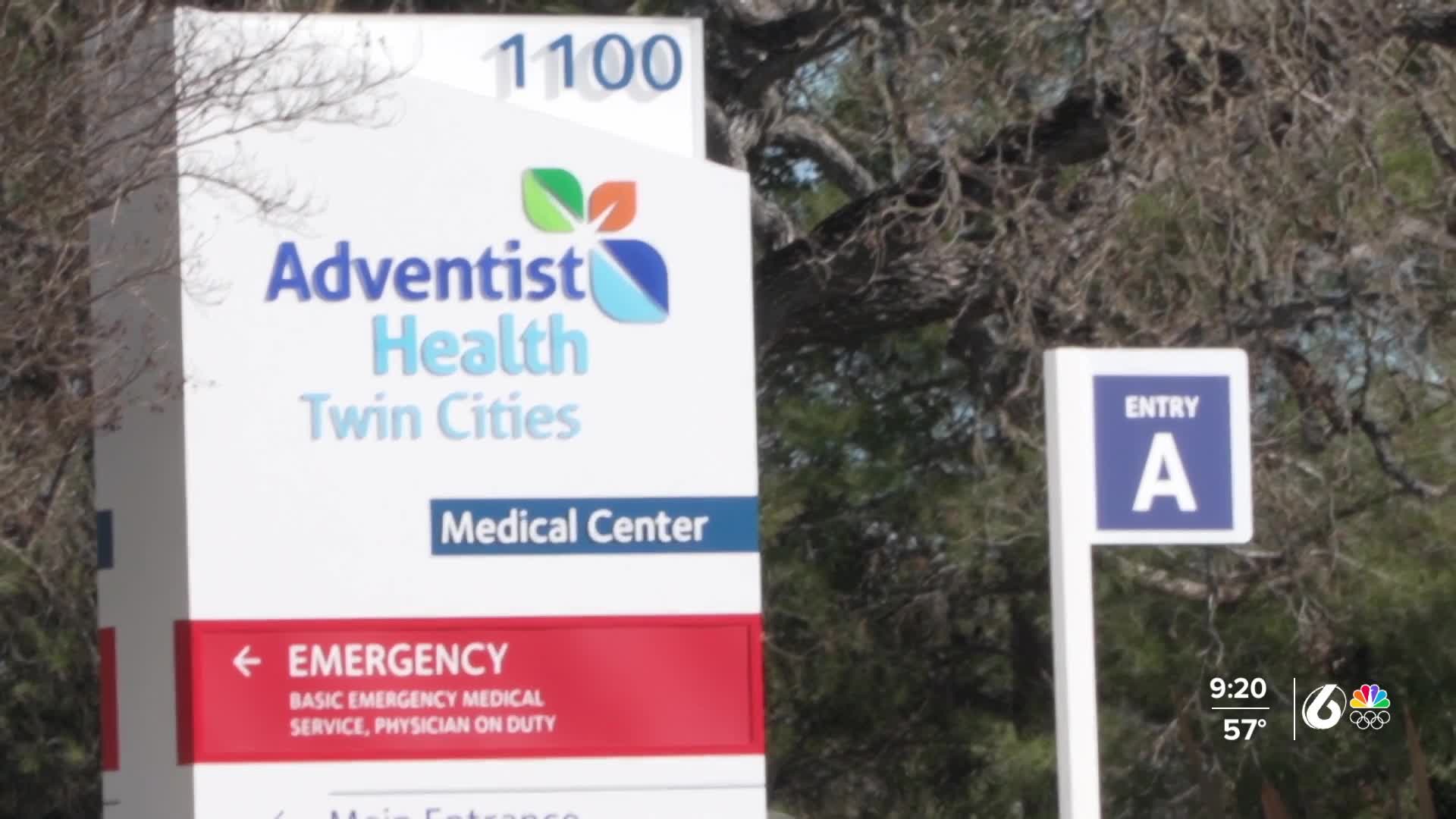
Dr. Brad Knox, an ER physician at Adventist Twin Cities Hospital in Templeton, says the three main medical conditions made worse by the shortage of primary care physicians are mental health issues, heart disease, and diabetes.
"Those are patients that end up in the ER, end up in the ICU,” Dr. Knox said.
The reasons for the doctor shortage, according to Dr. Bravo, are that across the state, doctors are retiring or, in some cases, burning out.
Locally, the high cost of living and lower Medicare reimbursement rates make it harder to attract doctors.
"They come here and they want to buy a house, they want to build a life, and they look around and think, I just can't afford to," Knox said.
In San Luis Obispo County, Medicare reimbursement is low because of something called the geographic practice cost indices.
It means that payment is based on local costs, and not the actual high cost of living on the Central Coast.
Now, healthcare workers and lawmakers are teaming up to combat this alarming trend.
"It's a big challenge, make no mistake, but the conversations are definitely being had," Dr. Knox said.
California Assembly Member Dawn Addis, who represents parts of San Luis Obispo County, Monterey and Santa Cruz, is working on two pieces of legislation designed to make the Central Coast more appealing to new physicians.
"One for med school loan payback for people who go serve in high need areas, which of course, the Central Coast is one of those, and the other to fund residency programs because the data shows that the majority of people stay and practice where they've completed their residency," Addis said.
