

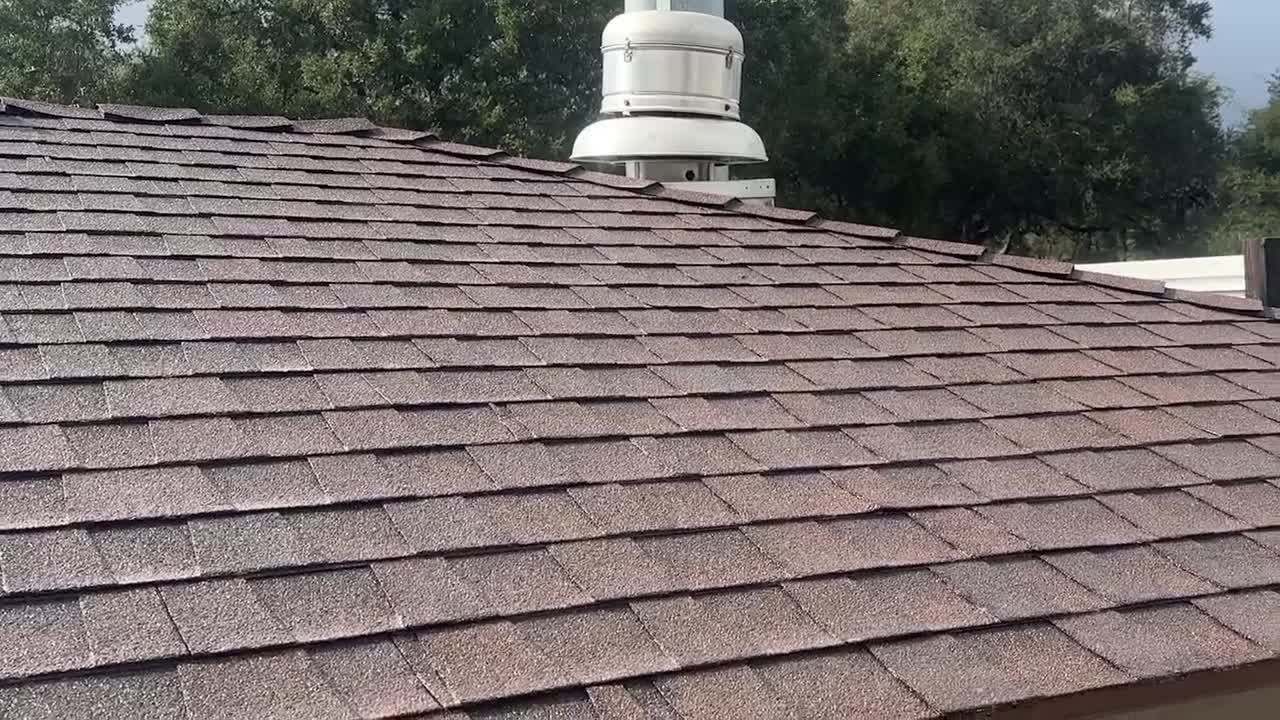



Roofs on the Central Coast are being put to the test with this week’s storm, and not all of them are passing.
Monday morning, Jessica Fernandez waited for a break in the rain to take her dog out for some exercise.
She said storms are always a little stressful.
“I mean, they're always a concern for anyone,” Fernandez said. “You never know what's going to happen, right?”
She said that while her roof is covered by her homeowners' association, there have been a few times she’s worried about its strength.
“There was one time they took our balcony off and we were concerned about rain during that time,” she said.
Douglas Riggs from Creative Roofing in Nipomo said they typically get five to ten clients a day calling for repairs in the rain.
“You're trying to do your best to do something but we have to be safe,” Riggs said. “Can't be going up on top of all the roofs during the storm necessarily. We can on some, as long as it's safe. We're trying to be as comforting as possible to the client.”
Riggs said it may be too dangerous for roofers to fix the source of the issue during the rain but they will work to find a solution.
“We're also general contractors, so we do have the ability to try to mitigate the damage,” he said. “So, for instance, if water is coming in say, a bathroom, there's ways we can cut out certain parts of the roof in order to stop the damage from spreading.”
Riggs said he orders ahead to have all the materials they might need before a storm.
He said it’s crucial for roofing companies to be aware of the weather and that work is a fine balance when there’s rain in the forecast.
“You know, you got to keep busy,” Riggs said. “You got to keep the guys going but at the same time, you've got to protect the client and everything.”
He said people can get ahead of potential issues by looking for the right signs. Those include cracked tile shingles, pebbles falling off your roof, visibly shiny pieces and, in some cases, moss.
“It might be time to have somebody come take a look,” Riggs said.
He said the best time to prepare for storms is when you’d least expect a problem, like in the dry summer months.
