

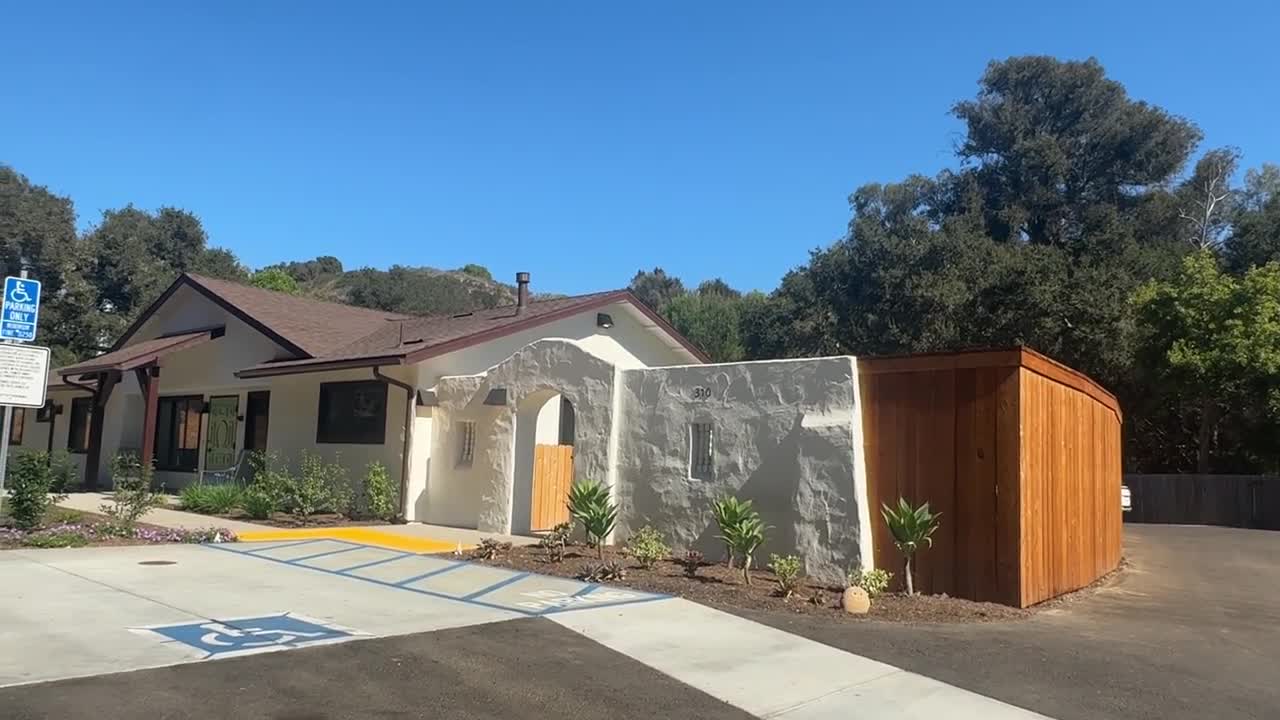


Two facilities with different missions are expanding access to mental health and substance use services at the same location in Santa Barbara, offering support for people facing challenges with recovery, housing, and stability.
Tecolote House, located at 310 Camino del Remedio and operated by PathPoint, is a 12-bed residential facility providing supportive housing for adults living with serious mental illness.
The goal is to help residents develop life skills, gain independence, and work toward long-term recovery in a safe and supportive environment.
“The county’s goal in this case is to give 12 more people a place that feels safe to live, where they can maximize their ability to recover from living with a serious mental illness,” said Suzanne Grimmesey, a marriage and family therapist and chief of strategy and community engagement for the county.
The project was made possible through state funding.
Next door, the 14-bed Sobering Center, operated by Good Samaritan Shelter, provides a safe place for people to stabilize while under the influence of alcohol or other substances.
The center replaces the county’s former sobering facility, which closed following concerns about the condition of the building. Services have been temporarily provided at another location.
County officials say the facilities address growing needs among people who face barriers to housing, treatment, and long-term stability.
“There is an increase in people who need services,” said Harry Bruell, CEO of PathPoint. “There’s been a lot of changes going on at the federal level; there are changes with cost of living, it’s difficult for a lot of folks.”
Although the two facilities serve different populations, both aim to provide support for people experiencing difficult circumstances.
For Bruell, the impact of supportive housing is reflected in the experience of someone who received help at another home similar to Tecolote House.
“People nurtured me, and have touched my life and heart. They watered me, and I grew,” Bruell said. “That’s what this is about. That’s why we’re doing this.”
Together, the facilities represent two approaches to community care: providing a stable place to live while working toward recovery and offering a safe environment for people to stabilize during substance-related crises.
