

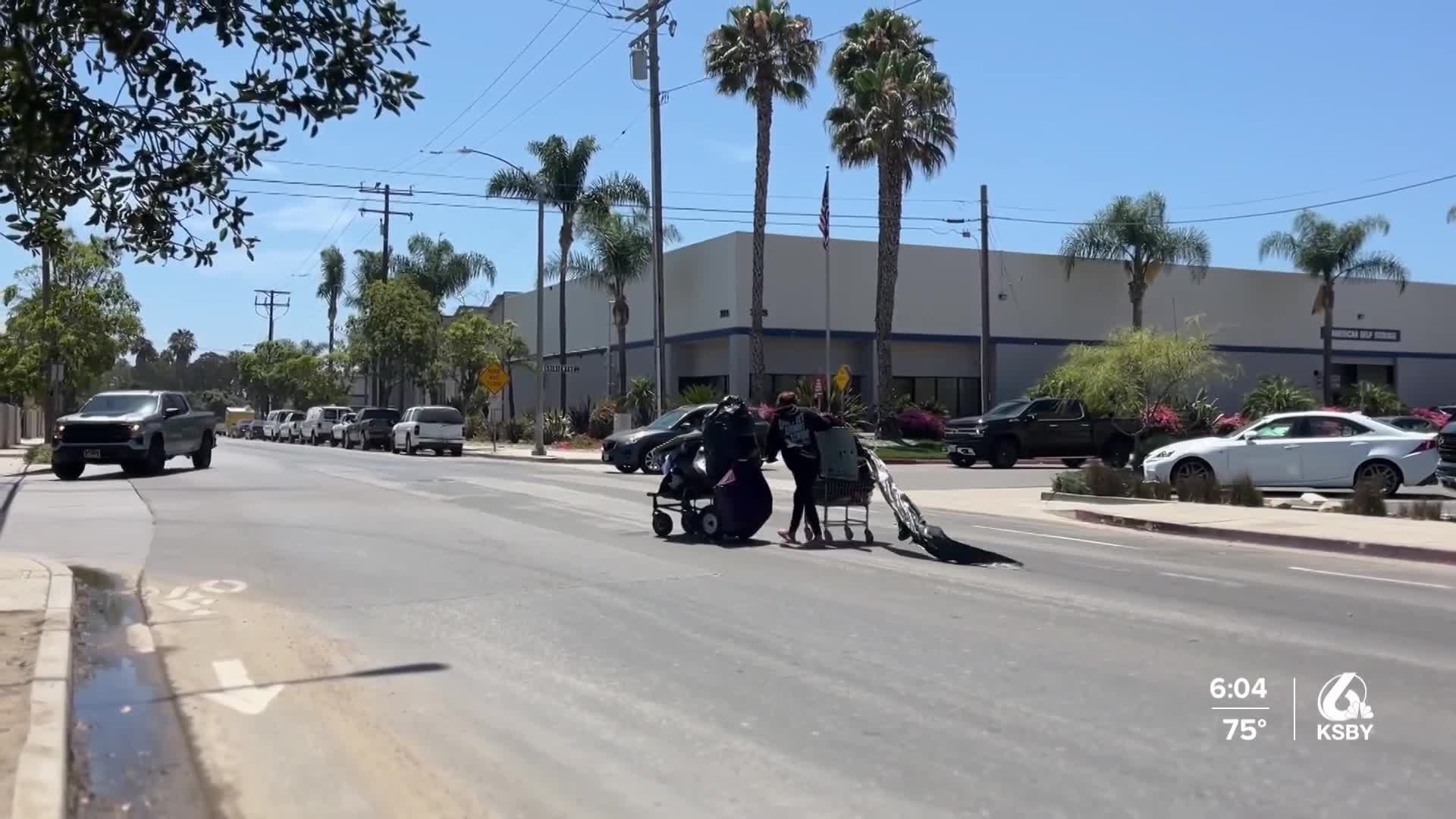


Santa Barbara County is reporting a decline in overall homelessness, but officials say longer periods without housing and rising homelessness among young adults remain major challenges.
The county’s latest Point-in-Time Count shows overall homelessness dropped 6% in 2025, while first-time homelessness declined 31%. However, officials said people who remain unhoused are spending more time in the system, with the average length of homelessness increasing from 134 days in 2023 to 190 days.
The fastest-growing group experiencing homelessness is young adults ages 18 to 24. County data shows homelessness among transitional-age youth increased 22%.
Hugo Gonzalez, who is experiencing homelessness in Santa Barbara, said he does not feel confident about leaving his current situation because of the high cost of living.
Another growing concern identified by county officials is vehicle homelessness. The number of people living in vehicles increased from 675 in 2022 to 962 in 2025. Nearly half of those individuals are employed, but officials said wages have not kept pace with housing costs.
Jett Black-Maertz, Homelessness Assistance Programs Manager for Santa Barbara County Housing and Community Development, said some people are choosing to live in vehicles because housing costs have become unaffordable.
“It just makes more sense for people to live in their car, but we are going to continue encampment response as well as outreach workers to reach those people who do want help,” Black-Maertz said.
County officials also announced the launch of a new effort called the Santa Barbara County Homelessness Alliance Response and Prevention, or HARP. The initiative brings together multiple county departments to improve homelessness prevention and response efforts.
Joe Dzvonik, Assistant Director of Housing and Community Development for the Santa Barbara County Community Services Department, said better coordination and data sharing could help officials identify people at risk before they become homeless.
“Social Services can detect when people are starting to experience housing and food insecurity and other issues, and we have aperture to see that. We’re only finding people are homeless after they show up to an encampment. By bringing that information together, that’s why we mentioned a unified hub of data, we can see almost from an AI perspective see those trends and tackle them before,” Dzvonik said.
