



Measles cases have emerged across California in recent days, prompting health officials to remind residents about the importance of vaccination and recognizing early symptoms.
The cases have been reported in Los Angeles, Ventura County and Kern County. Ventura County reported its first case in nearly a decade, while Kern County confirmed its first cases in 20 years.
According to the Centers for Disease Control and Prevention (CDC), California has recorded 52 measles cases this year as of Aug. 6, nearly double the 26 cases reported in 2025 and significantly higher than the 13 cases in 2024.
Dr. Kristopher Lyon, owner and medical director for MedStop Urgent Care Center in San Luis Obispo, said measles is one of the most contagious diseases.
He said there are three typical symptoms to watch for, known as the "three Cs": cough, coryza, and conjunctivitis.
"So a runny nose and pinkeye as well as a high fever, usually around 105," Dr. Lyon said. "Then it's a distinctive rash that typically starts at the hairline and proceeds down."
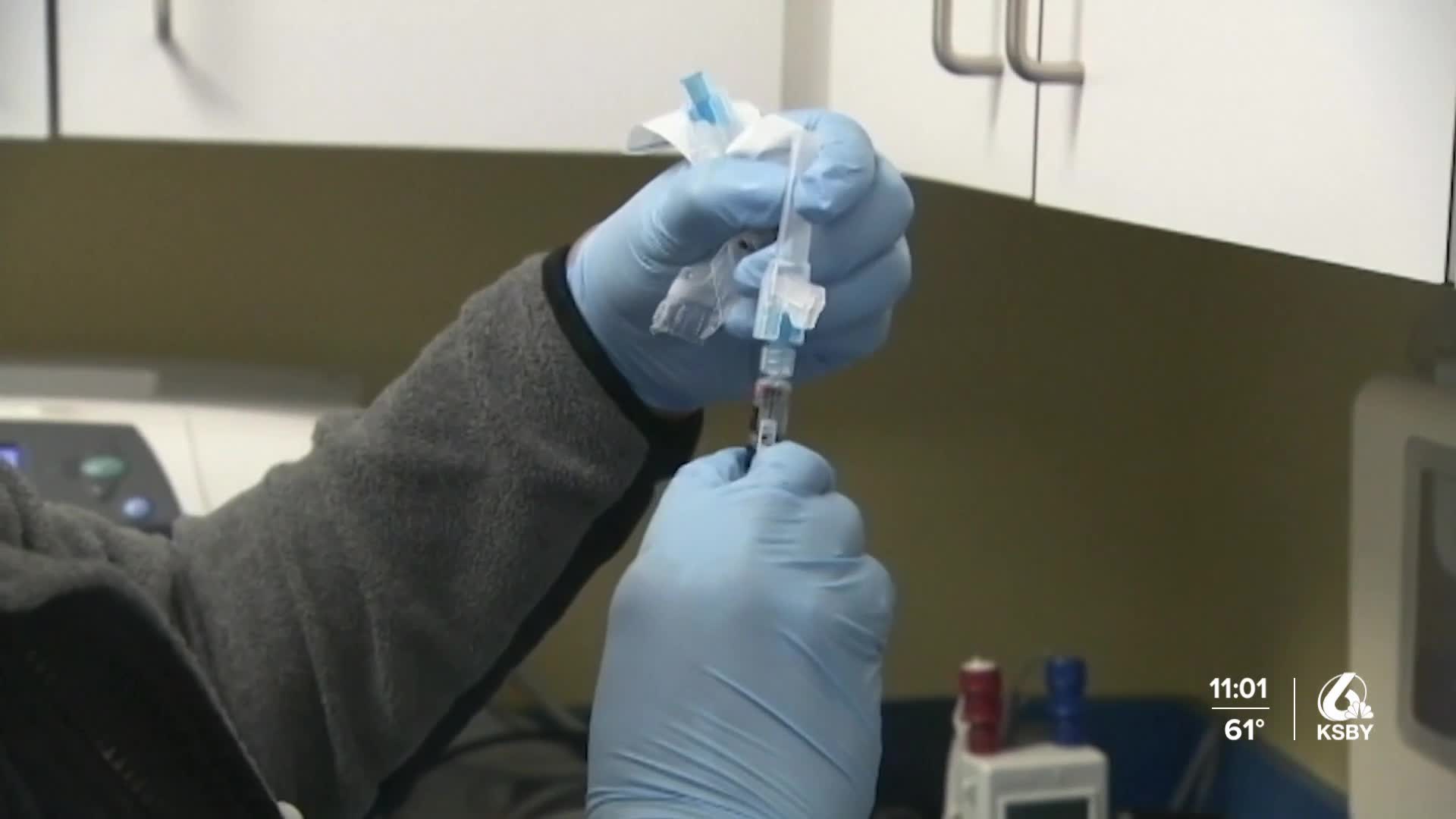
Lyon emphasized that vaccination is the best prevention method. Once vaccinated, immunity is lifelong; no boosters are needed. However, vaccination rates have dropped below the 95% threshold needed for herd immunity.
Those most at risk include:
- Unvaccinated children (under 5)
- Infants too young to be vaccinated (under 6 months)
- Pregnant women
- Immunocompromised individuals
With students heading back to school, some parents are taking extra precautions. Kimberly Rodriguez, a local parent, said she's ensuring her child stays current with vaccinations.
"I was for sure making sure he's up to date with his vaccines, especially with the measles going around," Rodriguez said. "He's actually going to be due for his measles vaccine soon."
Dr. Lyon advised anyone experiencing symptoms to contact their healthcare provider before visiting in person.
"Contact your health care provider and don't just walk into the office," he said. "Don't just walk into the hospital. Call ahead of time so they can provide guidance."
This gives them enough time to prepare to isolate the patient in the facility, so that they don't expose the rest of the patients to measles.
