

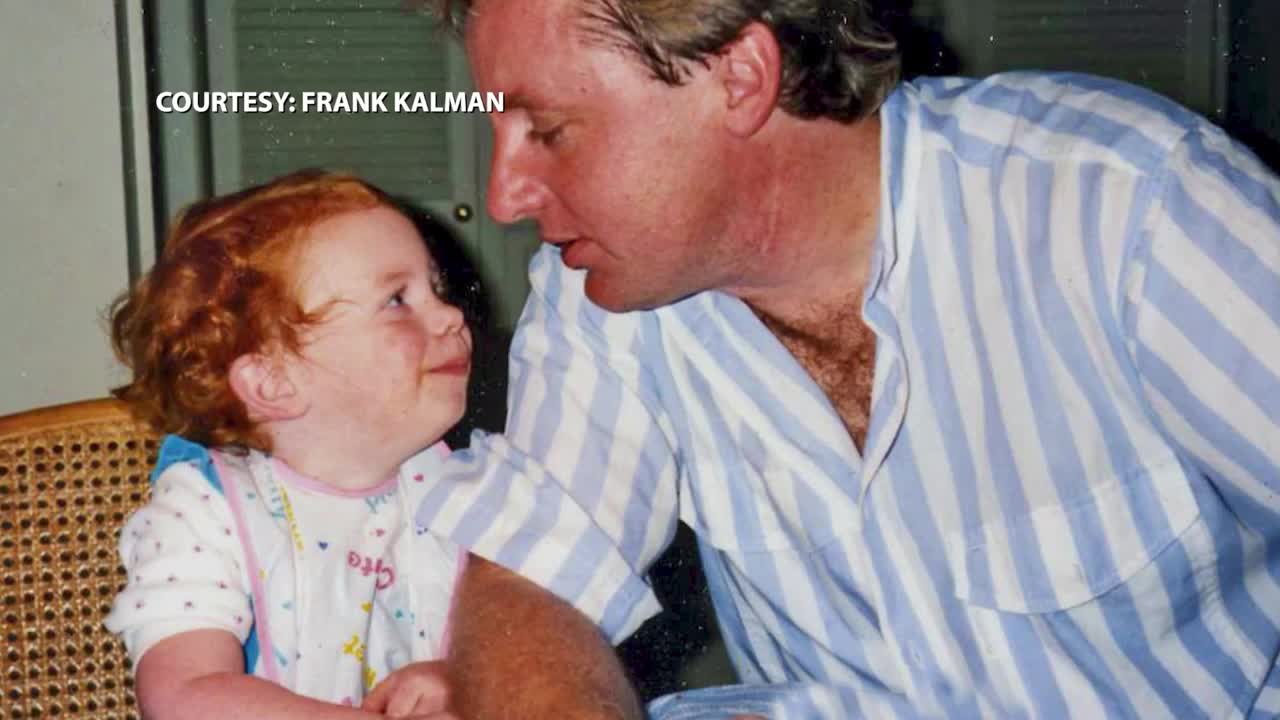


It’s a diagnosis no parent ever wants to hear. For one family, that moment changed everything, and ultimately helped spark life-saving research that’s now showing promising results for children battling cancer.
Frank Kalman still remembers the moment doctors delivered the news.
“I just curled up into a fetal position and started shaking,” he said.
At just 12 years old, his daughter was diagnosed with neuroblastoma, a rare and aggressive childhood cancer.
Doctors initially gave her a 45% chance of survival. After the cancer came back, Kalman says they were told her chances dropped to zero, but he and his wife refused to accept that outcome. Instead, they traveled across the country searching for treatments and specialists who could help, finding teams that ultimately saved their daughter’s life.
Along the way, their daughter met other children fighting the same disease. Kalman says many of those kids didn’t survive, and losing them became a turning point. That’s when the family decided to start a foundation, after realizing pediatric cancer research is often underfunded.
According to the Pediatric Cancer Research Foundation, only about 4% of federal cancer research funds are allocated to pediatric cancer.
The organization, End Kids Cancer, now focuses on funding research that could improve survival rates and treatment options for children. One of the projects it helped support is a clinical trial at Memorial Sloan Kettering Cancer Center testing a vaccine for high-risk neuroblastoma.
Researchers found the vaccine reduced relapse rates by about 50% in some patients. However, it didn’t work for everyone, leading scientists to ask why.
Now, pediatric oncologists are studying whether the answer could lie in the body’s microbiome, the trillions of bacteria living in the gut. Researchers believe these microbes may play a role in how well patients respond to cancer treatments.
One researcher involved in the study, Dr. Oriana Miltiadous, says the focus is on understanding how certain bacteria may improve the effectiveness of immunotherapy, including cancer vaccines designed to keep patients in remission. Early findings suggest some microbes are linked to better outcomes, which could help guide more personalized treatment plans in the future.
Funding from communities like the Central Coast has played a key role in launching and continuing this work. Researchers say it could lead to treatments that are not only more effective but also less toxic for children.
Dr. Miltiadous also points to major progress in pediatric cancer care over the years, noting that nearly 80% of childhood cancers are now curable.
They credit decades of research and community support, and say they remain optimistic about what’s ahead.
Kalman says that today, his daughter, the 12-year-old girl who inspired End Kids Cancer, is now 37, healthy, married, and thriving.
If you or anyone you know is struggling with a diagnosis, End Kids Cancer has free resources and a guide to help parents and people with cancer navigate the next steps.
