

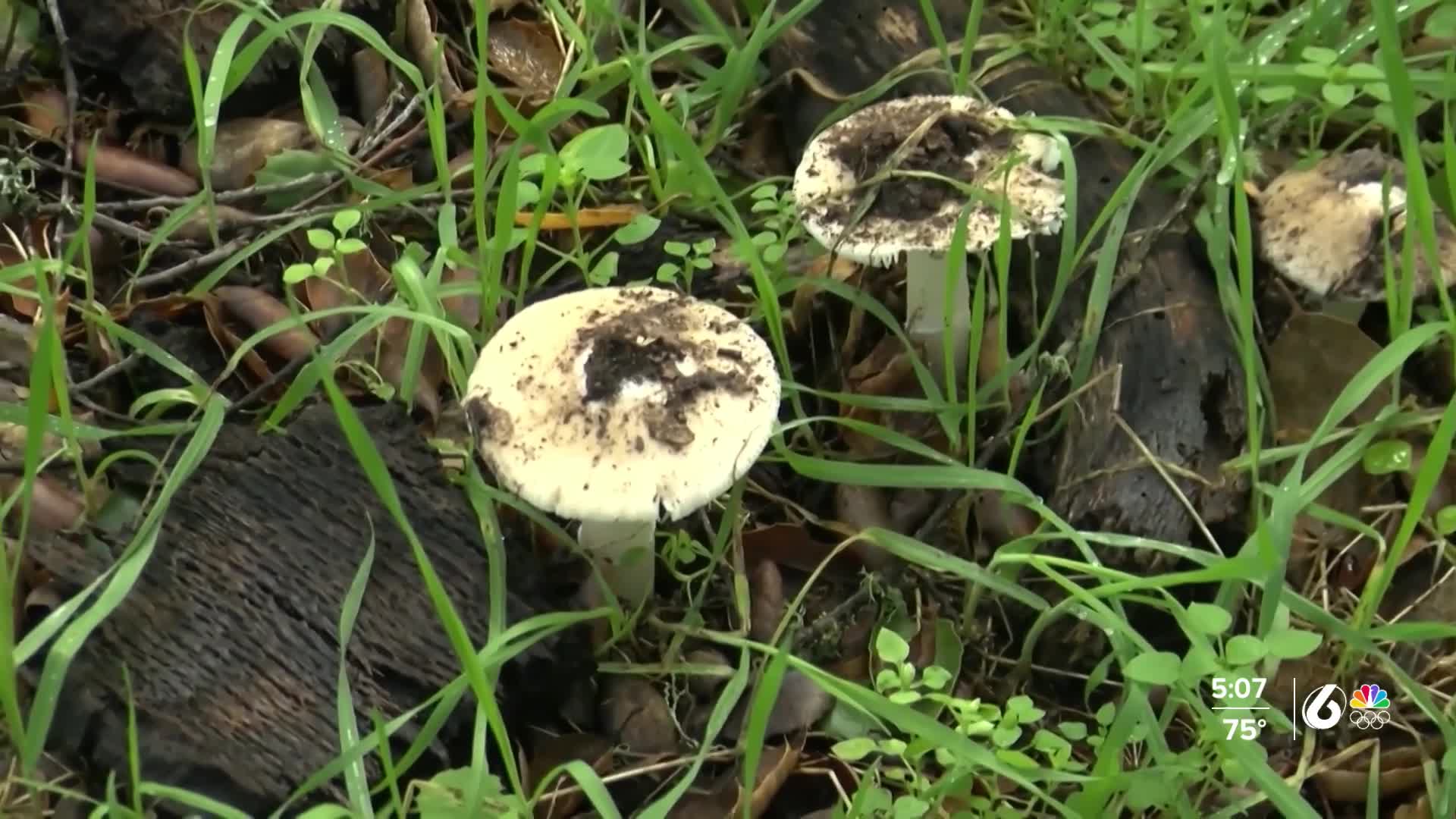


A poisonous mushroom commonly known as the death cap has spread across California. It resembles safe, edible mushrooms commonly sold in grocery stores, making them difficult to identify, according to the California Department of Public Health. Recent rainfall has contributed to the widespread growth of toxic mushrooms, significantly increasing the risk of accidental exposure.
“Even experienced mushroom foragers can make dangerous mistakes,” said Dr. Henning Ansorg, Santa Barbara County Public Health Officer. “We strongly urge residents to avoid consuming wild mushrooms altogether during this high-risk period.”
Between Nov. 18 and Jan. 18, the California Poison Control System identified 39 hospitalized cases statewide, including four deaths and three liver transplants, linked to the ongoing outbreak. The cases were reported across Northern California and the Central Coast, spanning regions from Sonoma to San Luis Obispo. Health officials confirm that no cases have been reported in Santa Barbara County.
Affected individuals range in age from 19 months to 67 years and include both family groups and individual cases. Public health officials also note that people new to California may mistakenly identify poisonous California mushrooms as safe varieties they are familiar with elsewhere.
According to the Santa Barbara County Public Health Department, death cap mushrooms are dangerous because they contain amatoxin, a substance that is highly toxic to the liver. Symptoms typically begin six to 24 hours after ingestion and may include nausea, vomiting, watery diarrhea, abdominal pain, and dehydration. In some cases, symptoms may temporarily improve before severe liver damage develops days later, increasing the risk of hospitalization, liver transplant, or death.
Anyone experiencing severe symptoms, including persistent vomiting, bloody diarrhea, confusion, or severe abdominal cramps, is urged to seek emergency medical care immediately or call 911.
How to stay safe :
- Do not eat wild mushrooms
- Avoid mushrooms picked by friends or family
- Watch children closely outdoors; most poisonings involve children under six
- Keep pets away from wild mushrooms
- Buy mushrooms only from trusted grocery stores or retailers
- Death cap mushrooms remain poisonous even after cooking, boiling, freezing, or drying
If you or someone you know may have eaten a poisonous mushroom, seek medical care immediately or call the California Poison Control Hotline at 1-800-222-1222. For more information, visit go.cdph.ca.gov/PoisonMushrooms.
