

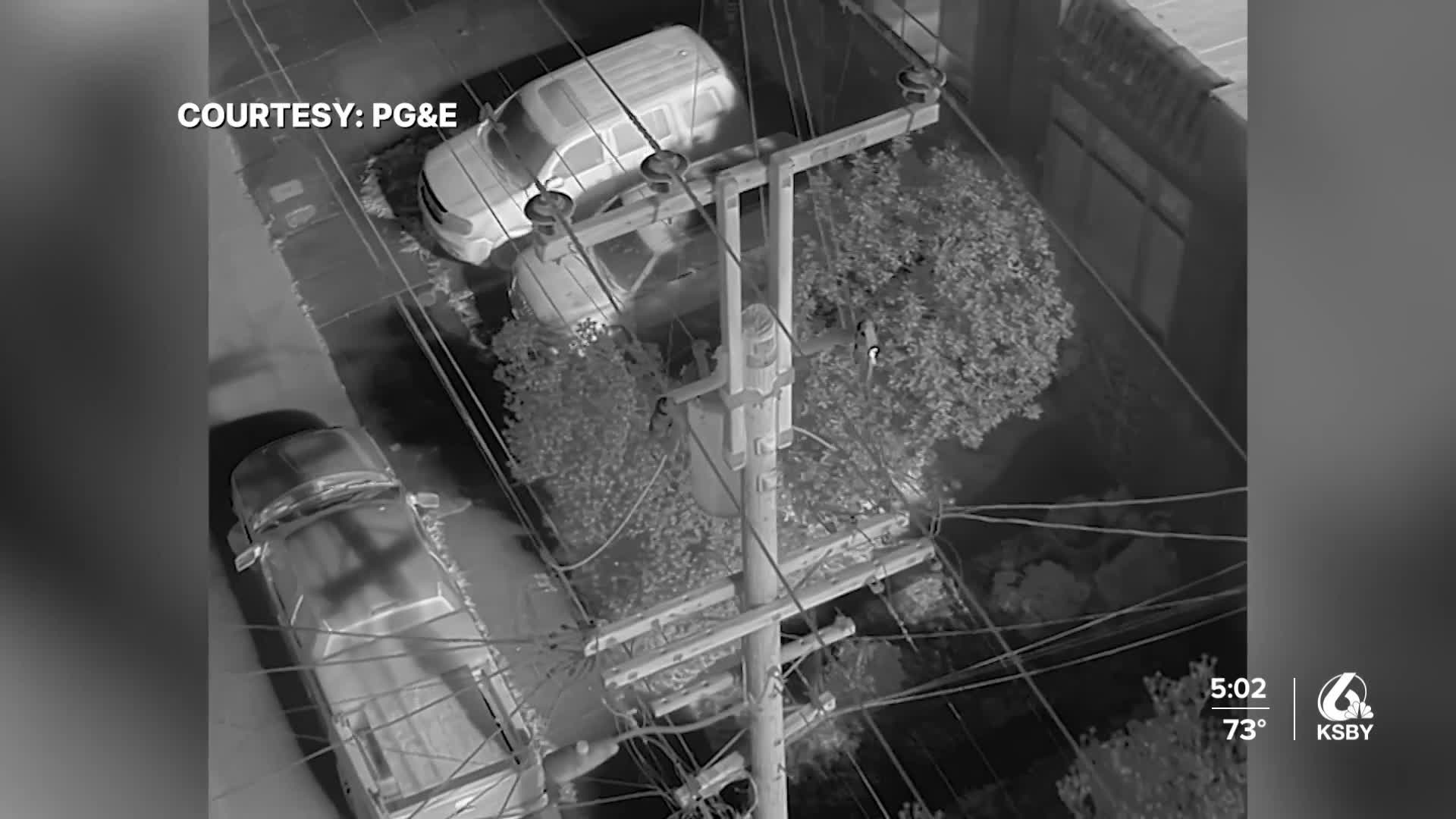


Pacific Gas & Electric Company pilots are now flying infrared and UV equipped drones. But these just aren’t cameras in the sky, they’re early warning eyes that detect trouble before it becomes an outage.
Drones in the sky? They could be the thing that keeps your lights on and the hills from burning.
“We can see a real bird’s eye view – top, down – of the health and safety of our electrical system,” said PG&E spokesperson Andria Borba. “We, in the past, have had folks climb poles to inspect our lines, our poles, our conductor, our insulator… all of that.”
On the Central Coast, these tiny aircraft with high-tech eyes are changing the way crews spot trouble. PG&E pilots are flying drones fitted with these infrared and UV cameras to hunt down hidden “hot spots” - the kind of damage you can’t see from the ground.
“It is just beyond our visible spectrum, so utilizing infrared sensors, we can see heat detected on our electrical assets that we would never be able to see with our physical eyes,” PG&E master thermographer Kyle Hutchens explained.
The idea is simple: find heat and damage early, fix it fast, and prevent outages or even wildfires before they start.
In addition to flying the drones, PG&E is also taking high-quality pictures that inspectors can view to tell if equipment is on the up and up or breaking down.
“They can zoom down and see down to the threads on a bolt. If they see something that’s wrong with the system, we can flag it right away for instant repair,” Borba said. “That’s how we use our drone technology to help keep our electrical lines more efficient and reliable for folks at home.”
Essentially, this is the pilot’s third eye.
Each drone can inspect three to five miles of lines a day, whereas a traditional line worker may only be able to cover a dozen poles, making it more cost-effective than climbing every single pole.
PG&E stresses they’re taking privacy seriously.
“When our drones are out there collecting data, we’re only capturing data of our overhead electric system, which means we’re only taking photos of the poles, and towers, and the lines on the infrastructure, and the pieces of hardware on it,” said PG&E principal program manager of aerial inspections Janet Henkai. “We’re not taking photos of their backyards, of their homes or any of their personal property.”
If you see a drone and want to ask a question, PG&E asks that you wait until it’s landed.
And, the way to tell if it’s a legitimate PG&E pilot or contractor is by what they’re wearing – a vest, hard hat, and ID they’ll provide upon request.
These drones are only going to take flight during the day and when weather permits.
