



California is falling short of its housing needs, and in San Luis Obispo County, that pressure is pushing a difficult conversation about whether agricultural land should make way for new homes.
According to the California Department of Housing and Community Development, fewer than 80,000 new homes were built across the state each year over the last decade, which is far short of the projected need of 180,000 new homes per year.
In San Luis Obispo, the problem is compounded by a shrinking supply of land zoned for residential development.
"One of the few remaining options for us would be to think about building more homes on the edge, and edge would be current agricultural land or fallow land that could be converted to housing," said Hamed Ghoddusi, director of the Cal Poly Real Estate Initiative.
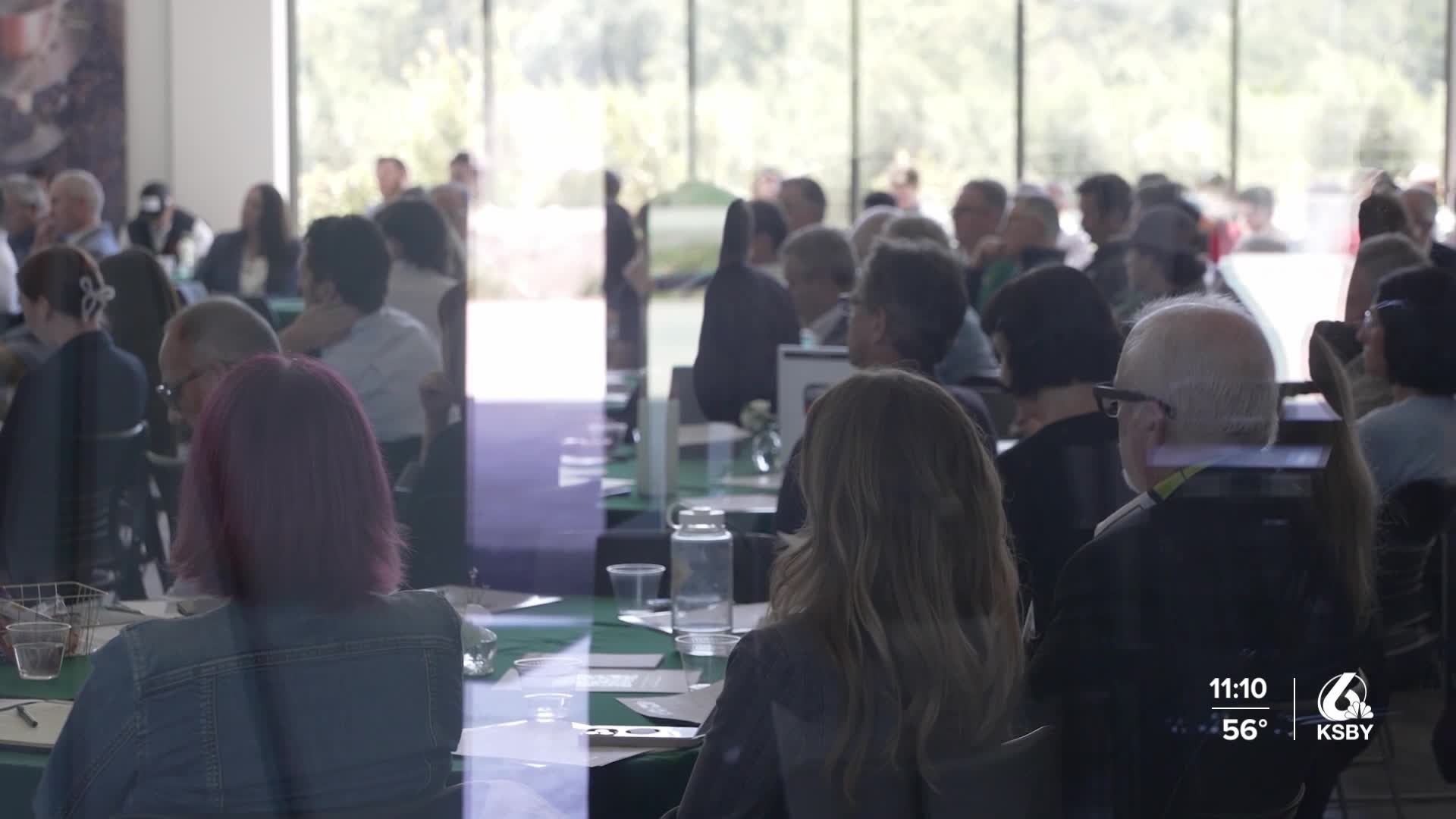
Ghoddusi hosted the first of what he envisions as an annual discussion on the topic. This year's theme centered on balancing housing and open space. The conversation brought together voices from housing advocacy and land conservation.
It wouldn't be the first time agricultural land in the area has been rezoned for development. Avila Ranch, San Luis Ranch, and Righetti Ranch are all examples of that trade-off.
"Any neighborhood where the name comes with the ranch would be an easy clue," Ghoddusi said.
But Michael Delbar, CEO of the California Rangeland Trust, says the region can't afford to treat farmland as a simple solution to the housing crisis. He says California is currently losing around 47,000 acres of agricultural land annually.
"We can't just write off the ag lands and say, 'Oh well, we need more housing with more development, which we do, so let's just go there first.' It's not that easy," Delbar said.
His nonprofit isn't opposed to development, he says, but wants it approached carefully.
"People need homes, businesses need homes, but so do the wildlife. The critters need homes and the livestock need homes. Everything has to be a balance," Delbar said.
That balance is urgently needed. Ken Trigueiro, CEO of Peoples Self Help Housing, says the demand for affordable housing in the county is overwhelming.
"It's an average of maybe about 10 families for every single unit that we have that are waiting for that," Trigueiro said.
He says collaboration between groups with different priorities is the path forward.
"I feel like the more we can work together from sort of different viewpoints and understanding where some compromises are that can be made, the better off we are going to be for the future and getting things done that really make sense," Trigueiro said.
