

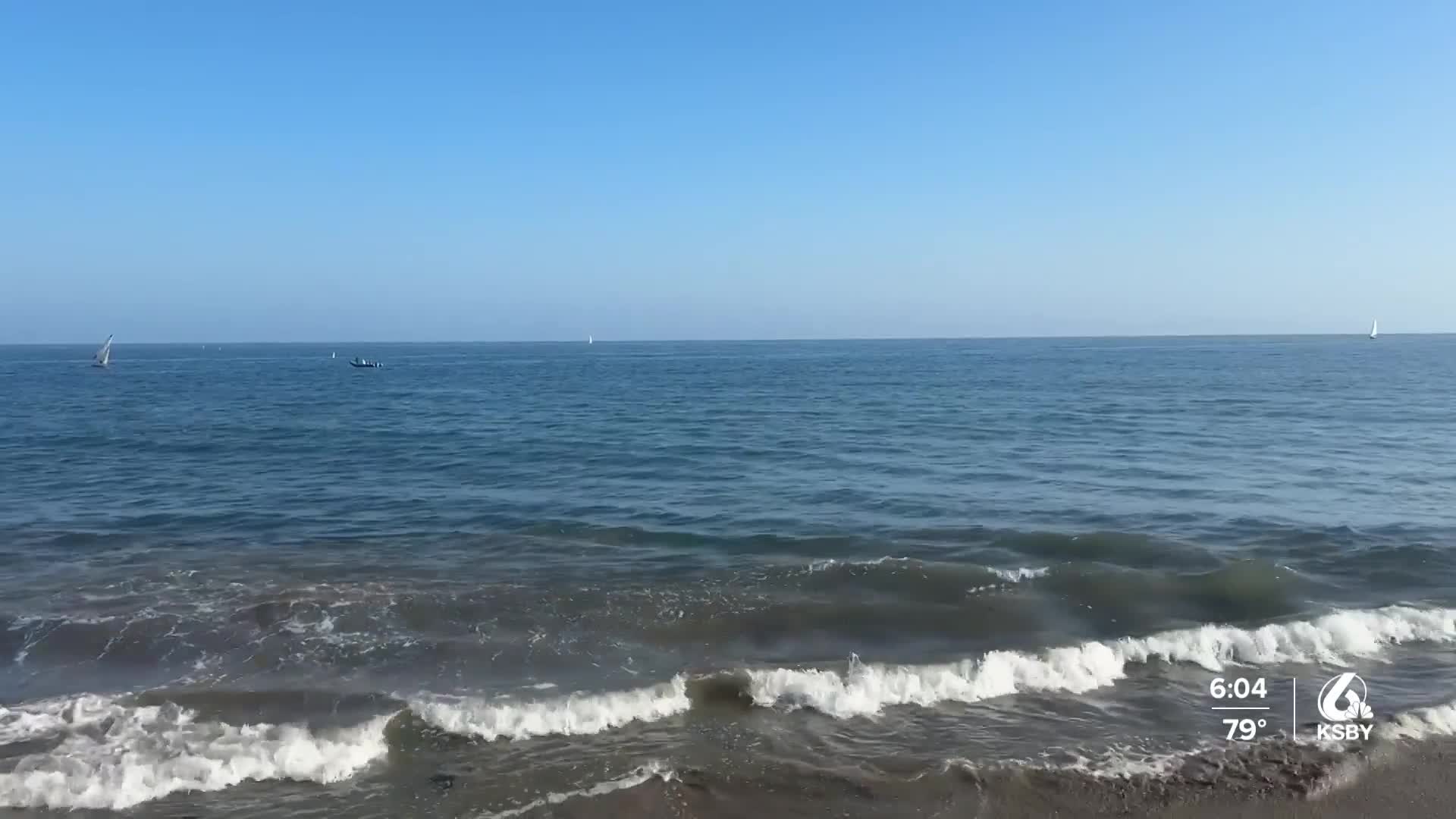


For longtime sailor Craig Kendrick, time on the water has recently come with an unmistakable change: more marine life is appearing closer to shore than usual.
“Dolphins and whales, but never ever a shark,” Kendrick said.
Marine experts say warmer waters associated with El Niño, a weather pattern that occurs every few years, can shift fish populations closer to the coastline. As prey moves, sharks often follow.
Kendrick said the increase in visible wildlife is both impressive and concerning.
“Part of me likes it that the marine wildlife is thriving, and part of me is alarmed, but no one has been bit,” he said.
Local harbor patrol officers say they are monitoring ocean conditions and responding when necessary, especially when shark sightings occur near popular swimming or surfing areas.
Jan Martinez, a harbor patrol officer, said crews have previously encountered sharks during patrols and take precautions when needed.
“I’ve been on duty and have seen sharks before. We do close beaches when there is an active shark encounter at the beach,” Martinez said.
Officials emphasized that shark sightings do not automatically mean danger, but public safety decisions depend on proximity and behavior.
“If you’re out deep in the ocean, that’s where they live, but if you see an active one on the shoreline, you can always call us,” Martinez said.
El Niño conditions bring warmer-than-normal ocean temperatures across parts of the Pacific, which can influence fish migration, feeding patterns and overall marine activity along the coast.
KSBY Meterologist Jim Castillo is tracking the potential for a Super El Niño near the end of the year.
While increased wildlife sightings often draw excitement from boaters and anglers, officials say they continue to encourage caution and awareness, particularly during active seasonal shifts in ocean conditions.
