



As extreme heat moves across the Central Coast, local schools and youth sports programs are making changes to help keep children safe while health officials remind parents to watch for signs of heat-related illness.
Dr. Kristine Reyes with the Santa Barbara County Health Department’s Santa Maria clinic says children can be more vulnerable to dehydration, heat exhaustion, and heat stroke.
“So compared to an adult, kids can actually overheat three to five times more than adults can, or faster than adults can,” Reyes said. “Their sweat glands are a bit immature, so they can’t really cool themselves as well as an adult can.”
That added risk is prompting schools to adjust activities during periods of extreme heat.
In Santa Maria, schools may move physical education classes to shaded areas or indoors, while some lunchtime activities are also being moved inside.
“We might bring PE to a shaded area or indoors. Lunchtime becomes entirely indoors, and you can feel here at Liberty, it’s very cool right now in the cafeteria,” said Samantha Scroggin, public information officer for the Santa Maria-Bonita School District.
Scroggin said when temperatures reach above 95 degrees, the district considers limiting activities that involve running, jumping, and prolonged exposure to the sun.
Youth sports programs are also making adjustments.
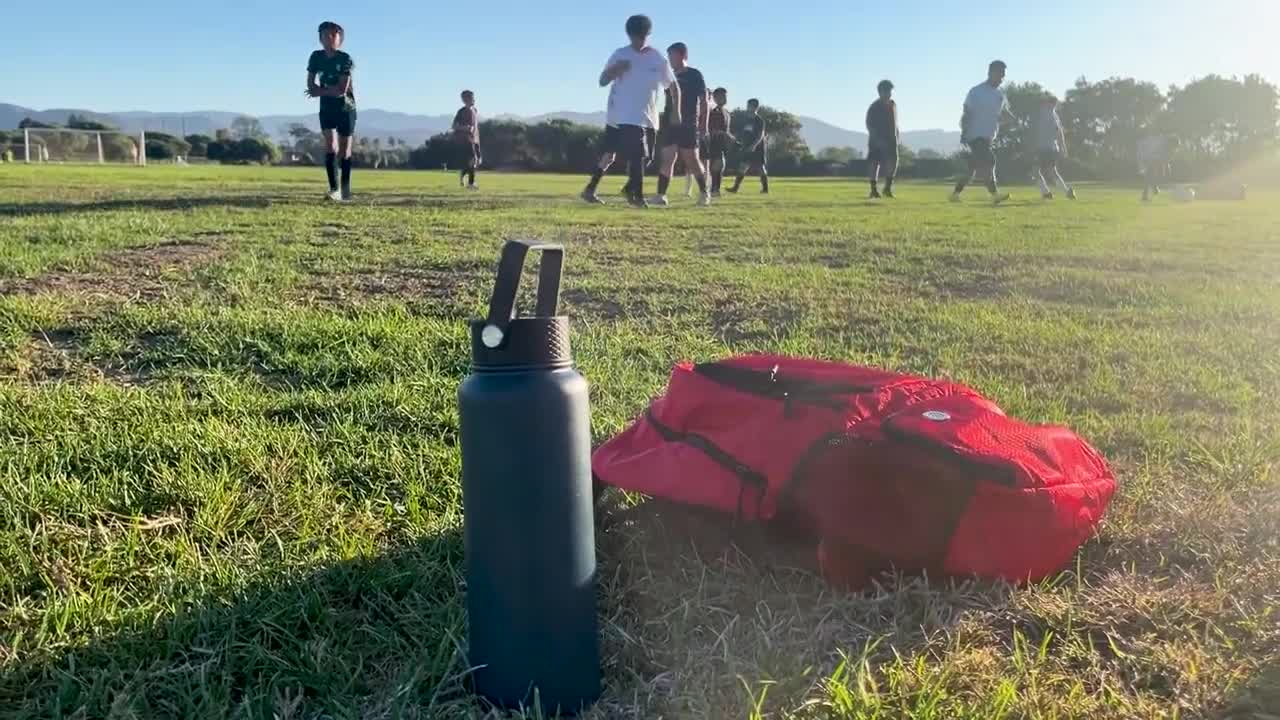
In Lompoc, the American Youth Soccer Organization (AYSO) has shortened practices from about an hour and a half to 45 minutes. Coaches are also focusing on less demanding drills and providing more frequent water breaks.
“We try focusing more on footwork drills, shooting drills, and just to avoid them excessively running,” said Gilberto Barragan, head coach for AYSO. “We are taking more constant water breaks to encourage them.”
Reyes said parents and caregivers should also know the difference between heat exhaustion and the more serious condition of heat stroke.
"Children experiencing heat exhaustion may have symptoms such as headaches, dizziness, muscle cramps, and nausea," said Dr. Reyes. "Heat stroke can cause changes in mental status, including confusion, and requires immediate medical attention."
Staying hydrated is another important way parents can help protect children during extreme heat, especially if they are playing sports or spending extended periods of time outdoors.
“A typical, like, teen who’s going to be playing their sports and practices, I would say two liters a day,” Reyes said. “For elementary school kids, I would say six to eight cups of water a day. Just because you want to replenish all those fluids that they’re losing.”
Reyes also recommends that parents keep a close eye on infants and young children, who can be especially vulnerable to extreme heat.
