

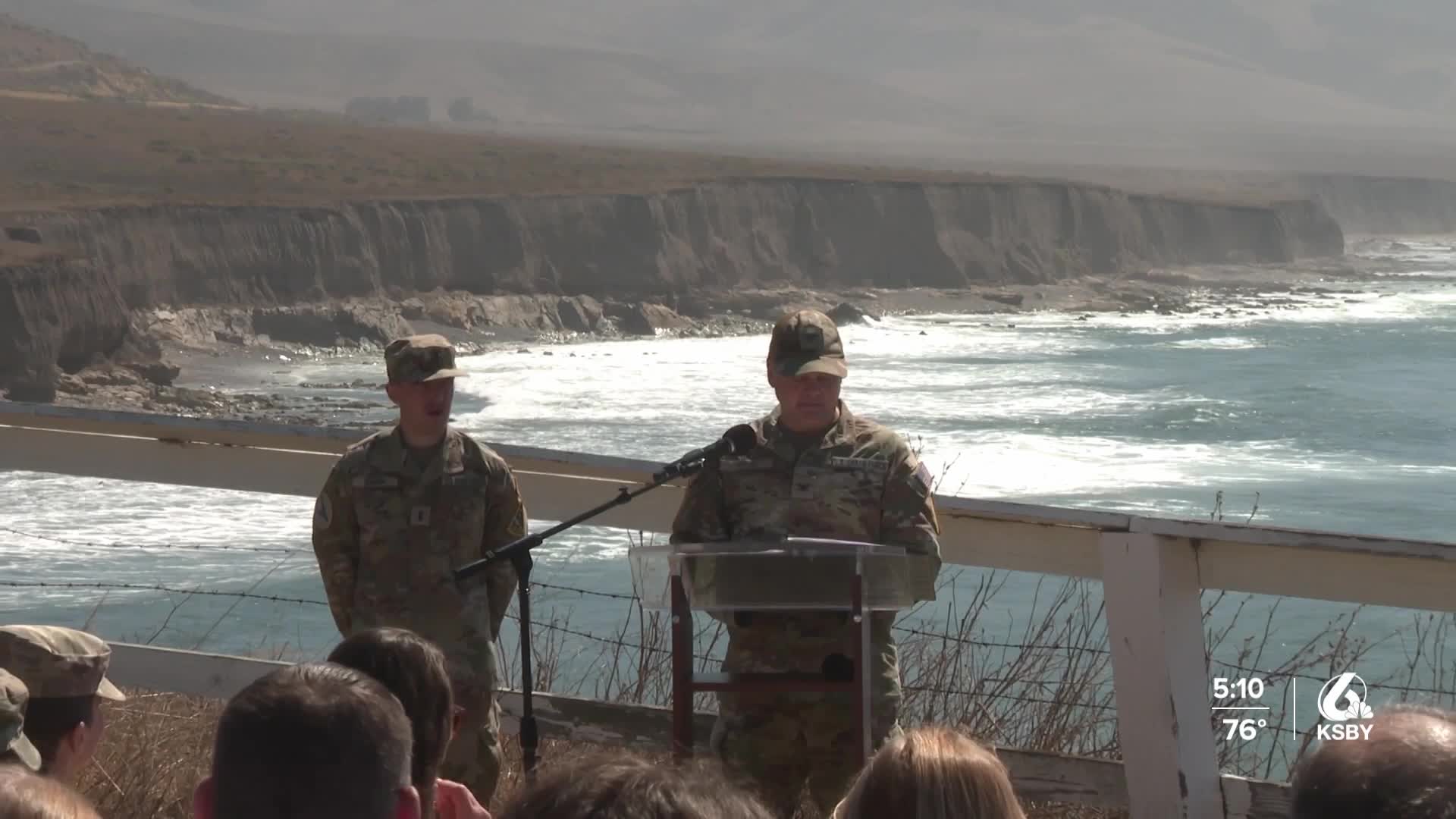


As Vandenberg Space Force Base looks to build the "Spaceport of the Future," it's bringing back a squadron that was deactivated in 2018.
The 4th Space Launch Squadron was first activated in 1994 and oversaw Titan, Delta and Atlas rocket launches before it was deactivated.
According to Colonel James T. Horne III, Space Launch Delta 30 commander, the squadron's reactivation is part of Vandenberg's efforts to transform the base into a more efficient spaceport capable of supporting rapidly growing launch activity.
"The urgency behind everything is only increasing and it really is based on our strategic competitors recognizing the value of space to the American way of life and for our strategic power and we have to outpace them and we have to modernize our infrastructure to enable us to access space and continue to defend the American way of life," said Col. Horne.
As more missions launch from Vandenberg, Horne said the growth is expected to extend beyond the base, creating new demands and opportunities throughout the Central Coast.
"We are going to need more housing. We are going to need larger schools. We are going to need more commerce and leisure activities for the new workforce that's coming and we are already partnering with all our partners across the region," he said.
Newly-appointed 4th Space Launch Squadron commander Lt. Col. Kyle Rowland said one of his top priorities is strengthening the relationship between Vandenberg and the surrounding community.
"I don't want to be Vandenberg on an island. I want to be Vandenberg, a part of the community," he said. "I want people to get excited when they see a launch or they see somebody in uniform in town."
Lt. Col. Rowland said he plans to be actively involved with the community through outreach and education.
"If it means talking to kids and explaining what we do here, engaging with the adult population about what's going on and how are we doing, I am here for it," Rowland said.
He added that the missions launched from Vandenberg directly affect people's daily lives.
"We use the capabilities that are being launched from here every day, both from a Department of Defense perspective as well as picking up your phone and knowing where you're going on the way to work," Rowland said. " Those are the things we need to increase and continue to move forward."
