



The requirement for able-bodied adults without dependents to work for CalFresh benefits has been waived in California since 2008, but that changed last year.
“When H.R. 1, house of representatives bill was passed in July that changed what ABAWD was and the criteria for ABAWD and changed our implementation timeline,” said Michael Walton, San Luis Obispo County CalFresh Program Manager.
Those work requirements were 20 hours a week for people 18 to 54 who are considered able-body. Now, the age has increased to 64.
Walton told KSBY that someone without dependents in that age range is considered able-bodied, unless they have an exemption.
“If someone is determined medically not fit for work they can have a doctor certify that they are unable to work and we can accept that verification and potentially exempt them," Walton said.
Other exemptions have changed as well such as a dependent is someone in the home under 14, while veterans, homeless and those who were in foster care at the age of 18 no longer qualify for a time limit exclusion.
Walton said that CalFresh serves more than 29,000 people across the county.
“3,292 individuals or approximately 11% of the CalFresh population would be potentially impacted by this," Walton said.
He added that residents don't have to provide any documentation until the changes are implemented.
As for local food banks, they are preparing for an increase in need.
“We’re expecting two to three thousand additional people will be turning to the SLO Food Bank and to our network of incredible non-profit partners all throughout the county,” said Molly Kern, SLO Food Bank CEO.
Kern added that this is also going to impact businesses.
“These benefits its about $5 to $6 million dollars every single month that get spent in our community at local grocery stores and local farmers markets," Kern said.
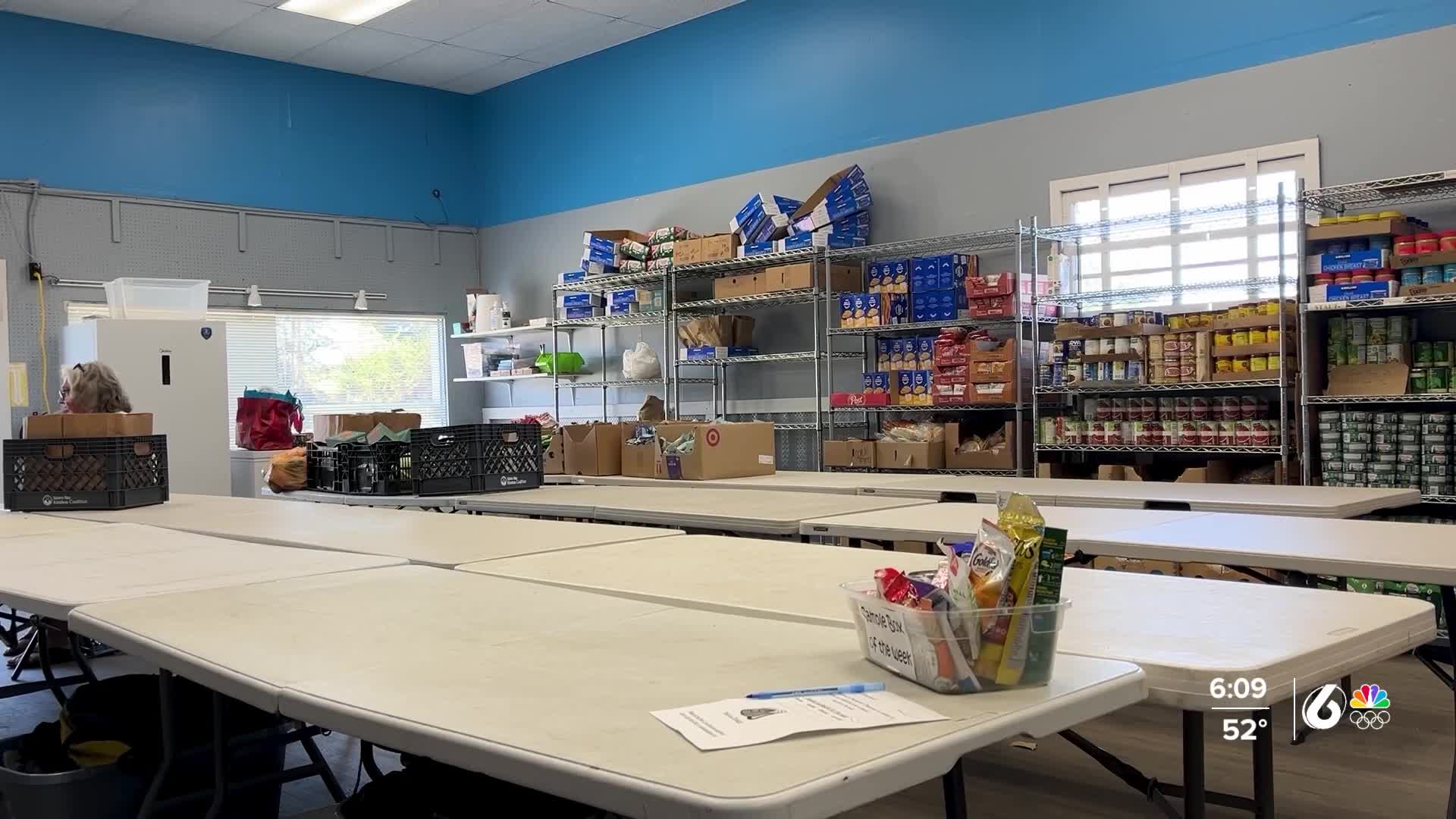
Bobby deLancellotti runs the Estero Bay Kindness Coalition and said he's noticed an increase in people, specifically seniors since the last food stamp pause.
“People on fixed incomes people that, I’m not sure if they are actually on SNAP maybe perhaps, they are but they are on some sort of government subsidy and they’re really struggling," Bobby deLancellotti said.
deLancellotti added that he doesn’t agree with the changes but remains committed to serving those in need.
“We’ve got some really difficult challenges facing us, but on the other side of that coin, we have so many incredible people that are so generous and hearts full of empathy and compassion," deLancellotti said.
The new requirements will go into effect June 1.
